
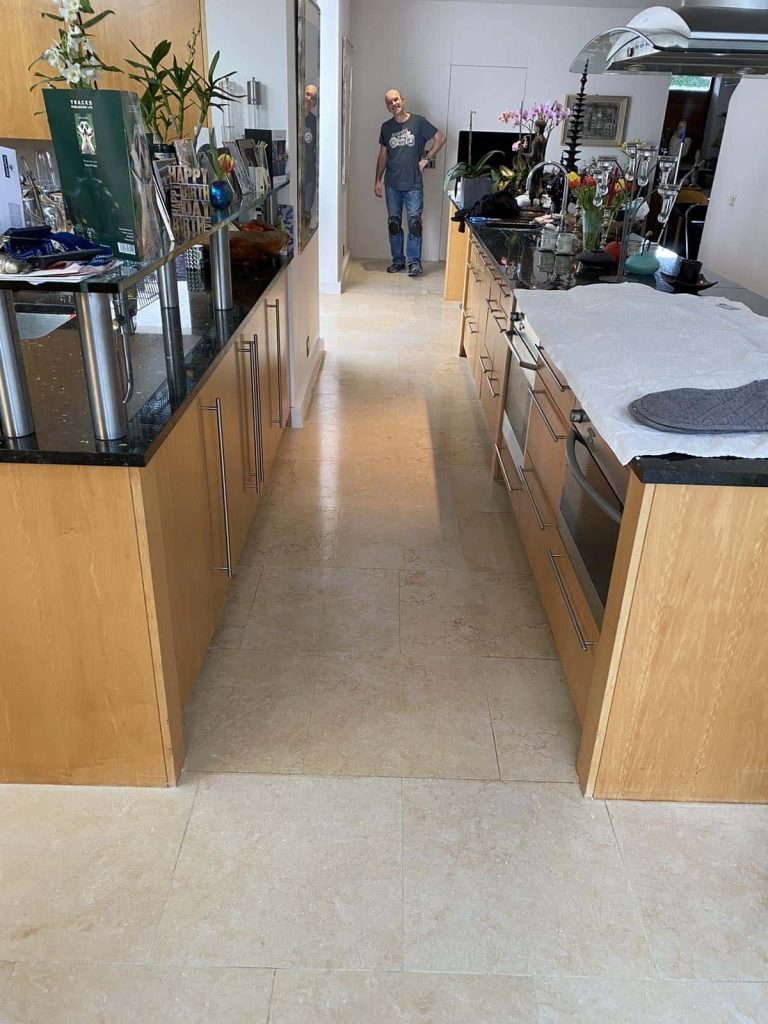
Marble Polishing – Complete Guide
Marble Floor Polishing: Complete Restoration Guide
Introduction: Why Marble Floors Lose Their Shine
Marble flooring represents one of the most elegant and timeless choices for UK homes and commercial properties. From grand Victorian entrance halls to modern luxury apartments, marble floors create an impression of sophistication and permanence that few materials can match. However, even the most beautiful marble floor will inevitably lose its lustrous shine over time, leaving homeowners wondering how to restore that mirror-like finish that once made their floors spectacular.
Understanding why marble floors dull is the first step toward proper care and restoration. Unlike synthetic flooring materials, marble is a natural calcium-based stone that undergoes constant interaction with its environment. Every footstep, every spill, every cleaning session contributes to gradual wear that affects the surface polish. High-traffic areas like hallways and kitchens show this deterioration most quickly, developing visible wear patterns where the stone’s natural shine diminishes to a dull, lacklustre appearance.
The science behind marble floor dulling involves several simultaneous processes. Microscopic scratching from foot traffic gradually roughens the once-smooth surface, scattering light rather than reflecting it cleanly. Acidic substances from everyday sources such as wine, fruit juice, or even rainwater tracked indoors chemically etch the marble surface, creating dull spots. Dirt and grit act as abrasives, accelerating surface wear with each step. Meanwhile, protective sealers degrade over time, leaving the marble vulnerable to staining and damage that further compromises appearance.
Professional marble floor polishing addresses all these issues through a systematic restoration process that removes damaged surface layers, smooths microscopic imperfections, and rebuilds the mirror-like finish that characterises pristine marble. This comprehensive guide explains everything you need to know about marble floor polishing, from understanding the professional restoration process to making informed decisions about DIY versus professional services.
Whether you are a homeowner with dulled marble floors in a period property, a landlord maintaining rental properties, or a facilities manager responsible for commercial marble installations, this guide provides the expert knowledge needed to restore and maintain beautiful marble floors. We explore the complete professional polishing process, examine different marble types and their specific requirements, provide detailed cost information, and offer practical guidance on when to undertake work yourself versus hiring specialists.
What You Will Learn
This comprehensive guide covers the complete marble floor polishing process including professional diamond grinding stages, equipment requirements, costs (typically £25-£45 per square metre for UK residential work), maintenance schedules, and detailed comparisons between DIY and professional approaches. By the end, you will understand exactly what marble floor polishing involves, what results to expect, and how to make the best decisions for your specific situation.
Understanding Marble Floor Finishes
Before exploring polishing techniques, understanding the different marble floor finishes available is essential, as each requires different care approaches and achieves different aesthetic results. The finish you choose or currently have significantly impacts both the appearance of your marble floor and the maintenance it requires.
Polished Finish (High Gloss)
A polished finish represents the most common and sought-after marble floor finish. This mirror-like surface achieves its high gloss through mechanical polishing using progressively finer abrasives, culminating in a smooth surface that reflects light brilliantly. Polished marble floors create a luxurious, formal appearance and make spaces feel larger and brighter through enhanced light reflection.
From a practical standpoint, polished marble is actually easier to clean than other finishes despite appearances. The smooth, sealed surface resists dirt penetration and wipes clean readily. However, polished marble shows scratches and etching more obviously than textured finishes, and worn polish in high-traffic areas becomes very noticeable. Polished marble is most appropriate for residential areas, formal commercial spaces, and anywhere an elegant, traditional appearance is desired.
Honed Finish (Matte)
Honed marble features a smooth but non-reflective matte or satin finish. This finish is achieved by stopping the polishing process at a coarser grit, typically around 400 to 800 grit diamond pads. The surface feels smooth to touch but does not reflect light in the mirror-like manner of polished marble.
Honed finishes offer several advantages for specific applications. They hide scratches and wear better than polished finishes, making them suitable for high-traffic commercial areas. The matte appearance can feel more contemporary and less formal than high polish. However, honed marble is more porous than polished marble (the polishing process actually densifies the surface), making it more susceptible to staining if not properly sealed. Honed finishes work well in contemporary homes, commercial spaces where slip resistance is prioritised, and areas where a softer, more understated appearance is desired.
Tumbled Finish (Textured/Aged)
Tumbled marble features an intentionally aged, weathered appearance with a textured surface and slightly rounded edges. This finish is achieved through mechanical tumbling that deliberately roughens the surface, creating an antique or rustic aesthetic. Tumbled marble is most commonly seen in Mediterranean or country-style homes.
The textured surface of tumbled marble provides excellent slip resistance, making it popular for bathrooms, kitchens, and outdoor areas. However, the rough texture makes cleaning more challenging and the open pores are highly susceptible to staining. Tumbled marble requires diligent sealing and regular maintenance. Converting tumbled marble to a polished finish requires extensive grinding to remove the textured surface, essentially refinishing the entire floor.
Brushed Finish (Leather/Antiqued)
Brushed finishes, sometimes called leather finishes or antiqued finishes, feature a soft, slightly textured surface created using wire brushes or abrasive treatments. This finish offers a middle ground between honed and tumbled, providing some texture for slip resistance whilst maintaining relative smoothness for cleaning.
Brushed finishes work particularly well for transitional spaces that bridge traditional and contemporary styles. They hide minor wear and imperfections whilst still feeling refined and sophisticated. Maintenance requirements fall between polished and honed finishes.
| Finish Type | Appearance | Slip Resistance | Maintenance Level | Best Applications |
|---|---|---|---|---|
| Polished | High gloss, mirror-like | Low (slippery when wet) | Easy cleaning, shows wear | Formal areas, residential |
| Honed | Matte, smooth | Medium | Moderate, prone to staining | Contemporary, commercial |
| Tumbled | Textured, rustic | High | Difficult, stain-prone | Rustic, Mediterranean style |
| Brushed | Soft texture, leather-like | Medium-High | Moderate | Transitional, high-traffic |
Can You Change Marble Floor Finishes?
One frequent question concerns whether you can change your marble floor’s finish. The answer is generally yes, but the feasibility and cost vary dramatically depending on the desired transformation. Converting from any finish to polished is straightforward, as it simply requires continuing the grinding and polishing process to finer grits. Converting from polished or honed to tumbled or heavily textured finishes requires aggressive mechanical treatment that essentially refinishes the entire floor surface, making it expensive and time-consuming.
The most common finish conversion involves refreshing an existing polished finish that has dulled over time, which represents standard marble floor polishing and restoration. This process costs significantly less than complete finish conversion and delivers dramatic results relatively quickly. For detailed pricing information on marble floor polishing and finish restoration, consult our comprehensive 2026 UK marble polishing cost guide.
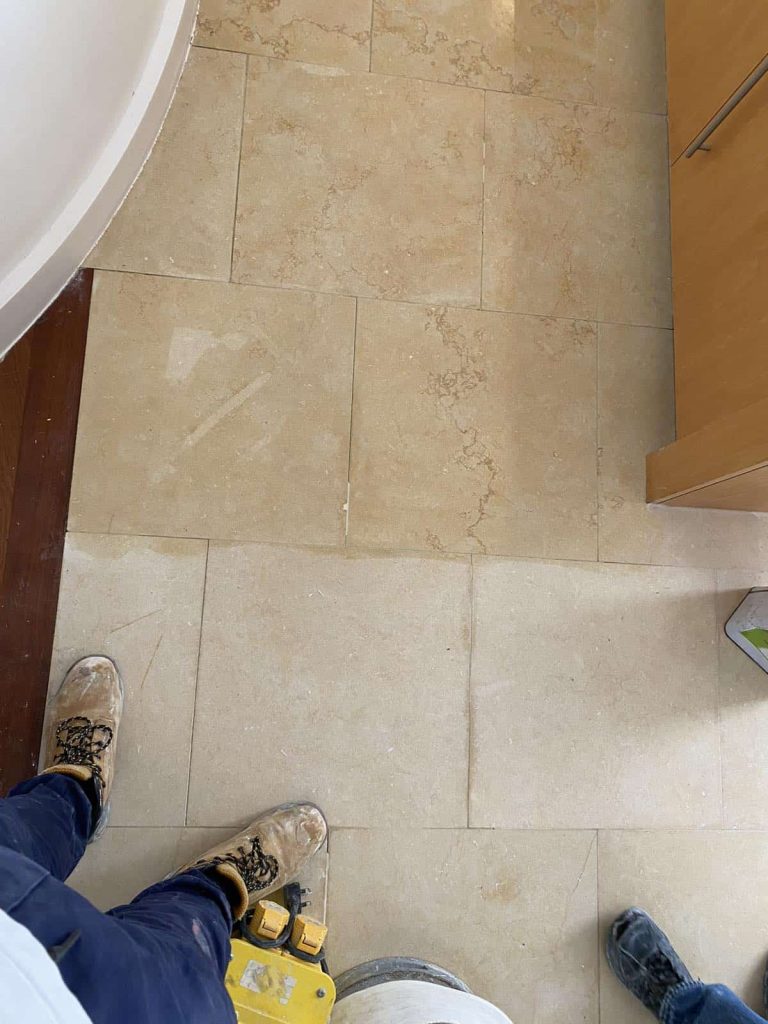
Signs Your Marble Floor Needs Polishing
Recognising when your marble floor requires professional polishing helps you maintain its appearance and prevent progressive deterioration. Marble degradation occurs gradually, and homeowners often become accustomed to declining appearance without realising how far the floor has deteriorated from its original condition.
Visual Indicators
Loss of Shine or Gloss
The most obvious sign that marble polishing is needed involves visible reduction in surface lustre. Polished marble should reflect light brilliantly, almost like a mirror. When this reflection becomes hazy or disappears entirely, the surface polish has worn away. High-traffic areas typically show dulling first, creating visible pathways or wear patterns where foot traffic concentrates.
To assess shine loss objectively, compare your current floor appearance to photographs from when the marble was new or recently polished. The difference may be shocking, as gradual deterioration blinds us to total change. Alternatively, compare wear patterns in high-traffic areas to protected areas under furniture or rugs where original finish may remain intact.
Visible Scratching
Light scratches appear as fine lines visible under certain lighting conditions, particularly when light strikes the floor at low angles. These microscopic scratches scatter light rather than reflecting it cleanly, contributing significantly to overall dullness. Deep scratches appear as distinct lines or gouges visible from any angle and require more extensive restoration.
Scratching accumulates from various sources including tracked-in grit and dirt (the most common culprit), furniture movement, pet claws, dropped objects, and even improper cleaning with abrasive tools or products. Once scratching reaches visible levels, simple cleaning cannot restore appearance – only polishing can smooth the damaged surface.
Dull Spots or Etch Marks
Etching creates dull, lighter-coloured spots where acids have chemically reacted with the marble’s calcium carbonate composition. Unlike dirt or stains, etch marks feel smooth but appear different from the surrounding surface. Common sources include spilled wine, fruit juice, soft drinks, vinegar-based cleaning products, and even acidic cleaning products marketed for other surfaces but damaging to marble.
Light etching can be removed during standard polishing, whilst heavy etching may require more extensive grinding to remove the damaged layer completely. Distinguishing etching from staining is crucial for proper treatment planning.
Staining or Discolouration
Whilst polishing primarily addresses surface finish rather than staining, significant staining indicates that your marble’s sealer has failed and the floor requires not only polishing but also stain removal and resealing. For comprehensive guidance on addressing marble stains, refer to our detailed guide on removing stains from marble.
Functional Indicators
Difficulty Cleaning
When your marble floor becomes progressively harder to clean or never appears truly clean despite thorough efforts, surface deterioration is likely occurring. Damaged or unsealed marble allows dirt to penetrate into pores where normal cleaning cannot reach. Polishing restores smooth surfaces that clean easily and resealing protects against future penetration.
Water Absorption
Perform this simple test: place a few drops of water on your marble floor and observe. On properly sealed, well-maintained marble, water should bead up and sit on the surface for at least 15-30 minutes without being absorbed. If water soaks into the marble within 5-10 minutes, darkening the stone, your sealer has degraded and the floor needs polishing and resealing.
This test particularly matters for marble floors in bathrooms, kitchens, or areas exposed to spills, as water absorption indicates vulnerability to staining and damage.
Increased Slipperiness
Whilst it might seem counterintuitive, worn marble can actually become more slippery than properly polished marble. As the surface degrades and dirt accumulates in microscopic scratches and pores, the floor can develop an inconsistent surface that becomes particularly treacherous when wet. Professional polishing creates uniform surface texture with predictable slip characteristics.
Timeline Indicators
Beyond visible and functional signs, time itself provides guidance. Even well-maintained marble floors typically benefit from professional polishing every 3 to 5 years in residential settings. High-traffic commercial installations may require polishing every 1 to 3 years. Low-traffic residential areas might extend this to 5 to 7 years between polishing.
If you cannot remember when your marble was last professionally polished, or if it has been more than 5 years, inspection and probable polishing are warranted. Preventive polishing before severe deterioration occurs costs less and yields better results than waiting until the floor is severely damaged.
Professional Assessment
If you are uncertain whether your marble floor needs polishing, most professional marble restoration companies offer free or low-cost assessments. A trained specialist can evaluate your floor’s condition, explain what restoration is needed, and provide detailed recommendations with accurate cost estimates. Our team at Floors and Sanding Polishing UK provides comprehensive floor assessments throughout the UK to help you make informed decisions about your marble care.
The Professional Marble Floor Polishing Process
Understanding the professional marble floor polishing process helps you appreciate what goes into quality work, evaluate whether DIY approaches are feasible, and set realistic expectations for results and timelines. Professional marble polishing represents a systematic, multi-stage process that combines specialised equipment, expert technique, and quality materials to restore marble floors to pristine condition.
Stage 1: Inspection and Assessment
Professional marble floor polishing begins with thorough inspection and assessment. Experienced technicians examine the entire floor, noting areas requiring special attention, identifying damage types (scratches, etching, staining, cracks), assessing overall condition and necessary restoration depth, checking for lippage (uneven tiles), and documenting before-condition through photographs.
This assessment determines the appropriate starting grit for diamond grinding, identifies any repairs needed before polishing, estimates time and materials requirements, and establishes realistic expectations for achievable results. Some damage, such as deep cracks or severe staining, may be permanent or require specialised treatment beyond standard polishing.
Stage 2: Preparation and Protection
Proper preparation proves essential for quality results and protection of surrounding areas. Professional preparation includes furniture removal or relocation, thorough floor cleaning to remove all loose dirt and debris, protection of surrounding surfaces including walls, skirting boards, and adjacent flooring, sealing of areas to contain dust and moisture, and setup of professional dust extraction equipment.
Modern professional marble polishing equipment includes powerful dust extraction systems that capture the vast majority of grinding dust, making the process far cleaner than older methods. However, some dust generation is unavoidable, making proper preparation and protection important particularly in occupied homes.
Stage 3: Deep Cleaning
Before grinding and polishing commence, professional deep cleaning removes all surface contaminants that might interfere with subsequent processes. This cleaning employs pH-neutral professional cleaning compounds specifically formulated for marble, removes old sealer residues that might clog diamond pads, eliminates grease, grime, and built-up dirt, and ensures clean surface for proper pad-to-stone contact.
Deep cleaning also reveals the true condition of the marble beneath accumulated dirt, sometimes showing that floors in seemingly poor condition actually have good underlying marble that will polish beautifully once properly cleaned.
Stage 4: Grinding and Honing
Grinding represents the most critical stage of marble floor polishing, where damaged surface layers are physically removed and the foundation for final polish is established. This stage uses progressively finer diamond abrasive pads mounted on weighted polishing machines. The detailed diamond grinding process is explained comprehensively in the next section, but the fundamental principle involves starting with coarse grits to remove damage and progressing through finer grits to create increasingly smooth surfaces.
The number of grinding stages varies based on initial floor condition and desired final result. Heavily damaged floors requiring significant material removal might require 6 to 10 stages, whilst floors in good condition needing simple refresh might only require 4 to 6 stages. Professional judgment determines appropriate grit progression for each specific floor.
Professional Tip: The Importance of Grit Progression
Skipping grit levels or progressing too quickly from coarse to fine grits is a common amateur mistake that compromises final results. Each grit level removes scratches from the previous level whilst introducing finer scratches of its own. Skipping levels leaves coarse scratches that finer grits cannot remove, resulting in hazy finish rather than clear mirror polish. Professional work adheres strictly to proper grit progression, even though it requires more time and effort.
Stage 5: Polishing to High Gloss
Once grinding and honing create a smooth foundation, final polishing builds the mirror-like finish characteristic of properly maintained marble floors. This stage uses ultra-fine diamond pads (3,000 to 8,000 grit or higher) or polishing powders and compounds specifically formulated for marble.
Professional polishing employs weighted machines that apply consistent pressure across the entire floor surface, creates even gloss without variations or streaking, achieves deep, clear reflection quality, and typically exceeds the gloss level of factory-finished marble. The final polishing stage may include buffing with specialised polishing compounds that fill microscopic imperfections and enhance light reflection.
Stage 6: Sealing and Protection
The final stage of professional marble floor polishing involves applying quality impregnating sealer to protect the freshly polished surface. Professional sealing ensures complete floor coverage with appropriate product, allows proper penetration time (typically 15-30 minutes), removes all excess sealer to prevent hazing, and provides protection lasting 5 to 10 years or more depending on traffic and maintenance.
Quality professional sealers penetrate below the marble surface to provide protection from within without altering appearance or creating surface coatings that might yellow or wear unevenly. This invisible protection shields against staining, etching, and moisture penetration whilst allowing the marble to breathe naturally.
Stage 7: Final Inspection and Cleanup
Professional work concludes with comprehensive inspection and thorough cleanup. Technicians verify consistent gloss throughout the floor, check for any remaining imperfections, ensure all sealer residues are removed, conduct final cleaning of surrounding areas, and inspect quality of edge work and details.
Complete cleanup includes removing all protective covering, returning furniture to original positions, disposing of waste materials properly, and final damp cleaning of the sealed floor. The result should be a pristine marble floor with mirror-like finish and a clean, undisturbed home.
Expected Timeline
Professional marble floor polishing timelines vary based on area size and condition, but typical residential projects follow these general timeframes:
- Small room (10-15 m²): 4-6 hours
- Medium room (20-30 m²): 6-10 hours (typically one working day)
- Large area (50-75 m²): 1.5-2 days
- Very large area (100+ m²): 2-4 days
Commercial projects or floors in severe condition requiring extensive restoration may take significantly longer. Professional companies provide accurate time estimates during the assessment phase.
For homeowners or businesses in need of expert marble floor polishing, our professional marble polishing services employ experienced technicians, commercial-grade equipment, and proven processes to deliver exceptional results efficiently and with minimal disruption to your daily routine.
 Diamond Grinding Stages Explained
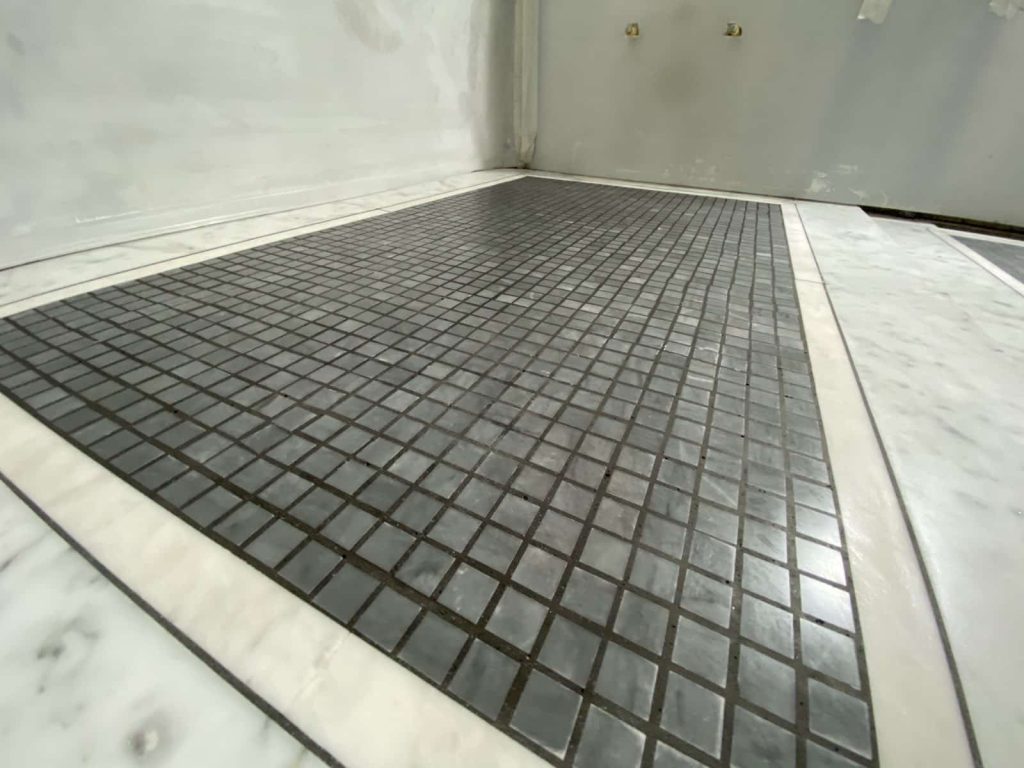 Diamond Grinding Stages Explained
The diamond grinding process represents the heart of professional marble floor polishing, where skilled application of progressively finer abrasives transforms damaged, dull surfaces into smooth foundations ready for final polishing. Understanding this process helps appreciate why professional results surpass DIY attempts and why proper technique matters so significantly.
What Are Diamond Grinding Pads?
Diamond pads consist of industrial diamonds embedded in resin or metal bonds, attached to backing pads that mount on polishing machines. The diamonds physically abrade the marble surface, removing material and creating progressively smoother finishes. Diamond pads are categorised by grit levels, similar to sandpaper, with lower numbers indicating coarser (more aggressive) pads and higher numbers indicating finer (less aggressive) pads.
Professional marble grinding uses pads ranging from very coarse (50-100 grit) for aggressive material removal to ultra-fine (3,000-8,000 grit or higher) for final polishing. The specific grit sequence selected depends on initial marble condition and desired final finish.
Understanding Grit Progressions
Successful marble polishing requires logical grit progression where each step builds upon the previous one. A typical professional grit progression for standard residential marble floor polishing might follow this sequence:
Standard Professional Grit Sequence
- 50-100 Grit (if needed): Severe damage removal, lippage correction, deep scratch elimination
- 200 Grit: Remove scratches from 50-100 grit, begin smoothing surface
- 400 Grit: Remove scratches from 200 grit, create honed appearance
- 800 Grit: Refine surface, begin developing subtle sheen
- 1,500 Grit: Polish base, create semi-gloss finish
- 3,000 Grit: Build high gloss, enhance reflection
- 8,000+ Grit (optional): Ultra-fine polish for maximum gloss and depth
Wet vs Dry Grinding
Professional marble grinding typically employs wet grinding methods where water continuously flows onto the floor surface during grinding. Wet grinding provides several crucial advantages including dust suppression (water captures and contains grinding dust), cooling (prevents heat damage to marble and pads), lubrication (extends pad life and improves cutting efficiency), and improved visibility (wet surface shows true finish being achieved).
Dry grinding using specialised dust extraction equipment offers advantages in situations where water use is problematic, but wet grinding remains the professional standard for marble floors due to superior results and cleanliness.
Metal Bond vs Resin Bond Pads
Diamond pads come in two primary bond types, each suited to specific applications:
Metal Bond Pads
Metal bond pads feature diamonds embedded in metal matrices. These pads are extremely durable and aggressive, making them ideal for initial grinding stages on hard marble or for removing significant material. Metal bond pads work best on hard, dense marbles and in coarse grits (50-400), provide long service life and consistent cutting, and require proper water flow and technique to avoid scratching.
Resin Bond Pads
Resin bond pads embed diamonds in softer resin matrices that wear away gradually, exposing fresh diamonds continuously. Resin pads dominate finer grinding and polishing stages (400 grit and above), work effectively on all marble hardnesses, provide excellent finish quality, and create the mirror polish characteristic of professional work.
Professional marble polishing typically employs metal bond pads for coarse work (50-200 grit) and resin bond pads for fine work (400 grit and above), optimising performance at each stage.
Common Grinding Mistakes and How Professionals Avoid Them
Skipping Grit Levels
The most common amateur error involves skipping grit levels to save time or money. For example, jumping from 200 grit directly to 800 grit leaves 200-grit scratches that 800-grit pads cannot remove, resulting in hazy rather than clear polish. Professionals follow strict grit progressions, understanding that time invested in intermediate stages produces superior final results.
Insufficient Passes Per Grit
Each grit level requires sufficient passes across the entire floor to fully remove scratches from the previous level. Rushing through stages leaves residual scratching that compromises finish quality. Professionals make multiple overlapping passes at each grit level, ensuring complete scratch removal before proceeding.
Inconsistent Pressure
Uneven pressure creates irregular finish with variations in gloss level. Professional weighted machines apply consistent pressure across the entire floor surface, whilst handheld tools in amateur hands often create pressure variations that show as uneven finish.
Inadequate Water Management
Insufficient water flow allows heat buildup that damages both marble and pads, whilst excessive water creates slurry management problems. Professionals maintain optimal water flow and manage slurry through continuous extraction or containment.
Specialised Techniques for Problem Areas
Edge Work
Floor edges near walls, cabinets, or other obstructions require different equipment than open floor areas. Professionals employ smaller edge polishers or hand polishing tools, match edge finish to field finish through careful technique, and avoid common edge problems like over-polishing or under-polishing compared to main floor areas.
Corners and Tight Spaces
Corners and areas around fixtures may require hand polishing with small pads or even hand-held diamond pads. This detail work separates professional from amateur results, as these visible areas show quality (or lack thereof) prominently.
Lippage Management
Lippage, where marble tiles sit at slightly different heights, requires specialised grinding techniques. Professionals use coarse grits to grind down high tiles without over-grinding low tiles, feather transitions between different levels to avoid creating new problematic edges, and assess whether lippage correction is feasible or whether tile relevelling is necessary first.
| Grit Range | Purpose | Finish Achieved | Typical Passes |
|---|---|---|---|
| 50-100 | Heavy material removal | Rough, visibly scratched | 2-4 |
| 200 | Remove coarse scratches | Smooth but dull | 2-3 |
| 400 | Create honed finish | Matte, no gloss | 2-3 |
| 800 | Refine surface | Slight sheen emerging | 2-3 |
| 1,500 | Build initial polish | Semi-gloss | 2-3 |
| 3,000 | High polish | High gloss, clear reflection | 2-3 |
| 8,000+ | Ultra-fine polish | Mirror finish, maximum depth | 2-3 |
This systematic approach to diamond grinding explains why professional marble floor polishing produces results that DIY efforts struggle to match. The combination of proper equipment, correct grit progression, consistent technique, and experience recognition of when surfaces are ready for the next stage creates the spectacular mirror finishes that make properly polished marble floors so stunning.
For homeowners interested in professional marble floor polishing that employs proper diamond grinding techniques and delivers guaranteed results, our experienced team provides comprehensive services throughout the UK. Learn more about our professional marble floor polishing and restoration services.
Professional Equipment vs DIY Tools
The equipment used for marble floor polishing significantly impacts both the quality of results and the efficiency of the process. Understanding the differences between professional commercial-grade equipment and consumer DIY tools helps explain why professional services often deliver superior results and whether DIY approaches are feasible for your specific situation.
Professional Commercial Equipment
Weighted Floor Polishing Machines
Professional marble floor polishing relies on weighted rotary floor machines specifically designed for stone restoration. These machines typically weigh 45 to 90 kilograms, providing consistent downward pressure that ensures even contact between diamond pads and marble surface. This weight eliminates the need for operator pressure, creating uniform results across the entire floor.
Commercial floor machines feature variable speed controls (typically 175-600 RPM) allowing technicians to optimise speed for different grinding stages, planetary drive systems with multiple rotating heads for aggressive material removal, water feed systems that deliver consistent lubrication and cooling, and dust shrouds that connect to industrial vacuum systems for clean operation.
These machines cost £2,000 to £8,000 or more, representing significant investment that makes sense only for professionals or property managers with extensive marble installations. The quality and consistency of results from weighted commercial machines dramatically exceeds what consumer equipment can achieve.
Industrial Dust Extraction Systems
Modern professional marble polishing employs powerful dust extraction vacuums specifically designed for wet/dry operation. These systems capture the slurry created during wet grinding, maintaining clean work areas and preventing dust from spreading throughout properties. Professional vacuums provide HEPA filtration to capture fine particles, high suction capacity (100+ CFM), wet/dry capability for slurry management, and automatic filter cleaning for continuous operation.
Edge Polishers and Detail Tools
Professionals employ specialised equipment for edges, corners, and tight spaces where full-size floor machines cannot operate. This includes hand-held edge polishers (similar to angle grinders but designed for stone work), detail polishers for corners and around fixtures, and hand pads in various grits for final detail work.
Consumer DIY Equipment
Orbital Floor Polishers
Consumer floor polishers designed for home use typically feature orbital motion rather than rotary, much lighter weight (5-15 kilograms), and lower speeds optimised for maintaining existing finishes rather than restoration. These machines can maintain already-polished marble or perform very light polishing on marble in good condition, but they struggle with significant restoration work.
Quality consumer orbital polishers cost £150 to £400, representing reasonable investment for homeowners planning regular maintenance. However, they cannot match the material removal capacity or finish quality of commercial weighted machines.
Angle Grinders with Diamond Pads
Some DIY enthusiasts attempt marble polishing using standard angle grinders fitted with diamond polishing pads. Whilst this approach can technically polish marble, it presents significant challenges including difficulty maintaining consistent pressure and avoiding gouging, very slow work rate (suitable only for very small areas), high risk of creating uneven finish, and substantial physical effort required.
Angle grinders work best for small repair areas or edge work rather than complete floor polishing.
Standard Wet/Dry Vacuums
Consumer wet/dry vacuums can manage slurry from small polishing projects but lack the capacity and filtration for extensive work. They require frequent filter cleaning and emptying, making large projects impractical.
| Feature | Professional Equipment | DIY Equipment |
|---|---|---|
| Machine Weight | 45-90 kg (consistent pressure) | 5-15 kg (manual pressure needed) |
| Cost | £2,000-£8,000+ | £150-£400 |
| Material Removal Rate | High (efficient restoration) | Low (maintenance only) |
| Finish Quality | Mirror-like perfection | Good to very good |
| Floor Coverage Rate | 50-100 m² per day | 10-20 m² per day |
| Suitable For | All restoration levels | Light maintenance, small areas |
| Dust Management | Excellent (HEPA systems) | Moderate (standard vacuums) |
| Learning Curve | Requires training | Moderate difficulty |
When DIY Equipment Makes Sense
Consumer equipment can be appropriate for regular maintenance polishing of marble floors already in good condition, small areas (under 10 square metres), situations where professional costs are prohibitive, and homeowners comfortable with moderate results rather than perfection.
However, for significant restoration work, large areas, valuable or rare marble, or situations where professional results matter, the superior capabilities of commercial equipment justify professional services. See what’s included in our professional marble polishing service and why hundreds of London homeowners trust us with their marble floors.
Polishing Different Marble Types
Not all marble is created equal, and different marble varieties respond differently to polishing processes. Understanding your specific marble type helps set appropriate expectations and informs technique selection.
Common UK Marble Types
Carrara Marble
Carrara represents the most common marble in UK installations. Quarried in Tuscany, Italy, Carrara features white or blue-grey base colour with subtle grey veining. This marble polishes beautifully with standard techniques, responds well to all grit progressions, and achieves excellent mirror finish relatively easily. Carrara’s moderate hardness makes it forgiving for both professional and careful DIY polishing.
Calacatta Marble
Often confused with Carrara, Calacatta features whiter base colour with more dramatic, bold veining in gold or grey tones. This prestigious marble commands premium prices and requires careful polishing to avoid emphasising any natural variations. Calacatta polishes to exceptional mirror finish, requires careful technique around dramatic veining, and responds beautifully to proper grit progression.
Statuario Marble
Statuario represents one of the most valuable and striking marbles, featuring pure white background with bold grey veining. This marble requires specialist knowledge for optimal results, benefits from professional polishing due to high value, and can achieve stunning mirror finish that highlights dramatic veining.
Emperador Marble
Emperador comes in dark brown (Emperador Dark) and light brown (Emperador Light) varieties, often featuring white or gold veining. These darker marbles show scratches and water marks more readily than light marbles, require careful technique to achieve even finish, and benefit from professional polishing to avoid visible imperfections.
Crema Marfil
This Spanish marble features warm cream or beige tones, creating inviting, warm appearance. Crema Marfil is relatively soft and polishes easily, responds well to standard techniques, and achieves beautiful lustre with proper care.
Hardness Variations and Polishing Implications
Marble hardness, measured on the Mohs scale, varies by type and directly impacts polishing approach. Softer marbles (Mohs 3-3.5) like Crema Marfil or soft Carrara polish quickly but scratch easily, requiring gentler technique and careful pad selection. Medium hardness marbles (Mohs 3.5-4) including most Carrara and Calacatta respond well to standard polishing protocols. Harder marbles (Mohs 4-4.5) may require more aggressive initial grinding but achieve exceptional final polish.
Professionals adjust grit progression, pad pressure, and machine speed based on marble hardness, whilst DIY enthusiasts should research their specific marble type before attempting polishing.
Veining Considerations
Marble veining, whilst aesthetically beautiful, can present polishing challenges. Veins often have different hardness than the main stone body, potentially polishing at different rates. Heavy veining requires careful technique to achieve uniform finish across veins and background. Some softer veins may polish faster, requiring adjusted technique to prevent creating subtle variations in surface level.
Professional polishers account for veining in their technique, whilst DIY work on heavily veined marble presents increased difficulty. For valuable heavily-veined marbles like Calacatta or Statuario, professional services offer insurance against inadvertently creating uneven finishes.
Common Marble Floor Problems and Solutions
Beyond general dulling, marble floors develop specific problems that require targeted solutions during the polishing and restoration process.
Lippage (Uneven Tile Heights)
Lippage occurs when adjacent marble tiles sit at slightly different heights, creating small ridges or edges that create trip hazards and prevent uniform polishing. This problem typically results from improper installation or substrate settling over time.
Solution: Professional lippage removal uses coarse diamond grinding (50-100 grit) to grind down high tiles to match lower ones. This process removes material from the entire floor surface to create uniform level. Lippage removal adds cost (typically £8-£20 per square metre additional) but dramatically improves both safety and appearance. Severe lippage may require tile re-levelling before polishing can proceed.
Deep Scratches and Gouges
Deep scratches from dragged furniture, dropped objects, or pet claws penetrate beyond the polish into the marble body itself. Unlike surface scratches removed during standard polishing, deep gouges require more extensive grinding.
Solution: Repairing deep scratches requires grinding the entire floor down to the depth of the deepest scratch, then rebuilding the surface through complete grit progression. This removes more material than standard polishing and may not be practical if scratches are extremely deep. Alternatively, individual deep scratches can be filled with colour-matched epoxy before polishing, though this shows under close inspection.
Cracks and Fissures
Marble naturally contains fissures (natural fault lines), whilst cracks represent actual breaks in the stone. Both require repair before polishing to prevent expansion and to achieve smooth surface.
Solution: Professional repair uses colour-matched epoxy or resin to fill cracks and fissures. The epoxy is ground flush during polishing, creating continuous surface. Repaired areas may show slight colour variation under certain lighting but are structurally sound and polishable. Crack repair typically costs £75-£250 per crack depending on length and complexity.
Etching from Acids
Acid etching creates dull spots or rings where acidic substances have chemically reacted with the marble. Common sources include wine, fruit juice, soft drinks, and acidic cleaning products. For comprehensive guidance on removing various types of marble stains and etch marks, see our detailed guide on how to remove stains from marble.
Solution: Light etching is removed during standard polishing as the grinding process removes the damaged surface layer. Heavy etching may require starting with coarser grits to remove all damaged material before proceeding through normal grit progression. Widespread heavy etching increases polishing time and cost by 20-40%.
Staining
Whilst staining differs from dulling, stained marble requires stain removal before or during the polishing process for optimal results. Oil stains, organic stains, rust stains, and other discolourations require specific treatments.
Solution: Professional marble polishing services typically include assessment and treatment of staining as part of comprehensive restoration. Stain removal uses poultice treatments specific to stain type, applied before polishing begins. Some stains may be ground out during coarse grinding stages. Significant staining adds £100-£400 to project costs depending on severity.
Grout Issues in Tiled Marble Floors
Tiled marble floors introduce grout-related complications. Dirty, stained, or crumbling grout detracts from even perfectly polished marble tiles. During grinding and polishing, grout must be managed to avoid damage or excessive removal.
Solution: Professional services clean and seal grout as part of comprehensive floor restoration. Diamond grinding is carefully controlled near grout lines to avoid excessive removal. Severely damaged grout may require repair or replacement before polishing. Grout cleaning and sealing typically adds £5-£12 per square metre to project costs.
Restoration vs Polishing: What You Need
The terms “marble restoration” and “marble polishing” are often used interchangeably, but they represent different scopes of work with different costs and outcomes. Understanding this distinction helps you request appropriate services and understand quotations.
Marble Polishing (Maintenance)
Standard marble polishing addresses dulled finish on marble in otherwise good condition. This service includes deep cleaning, diamond polishing using standard grit progression (typically 200-3,000 grit), sealer application, and cleanup. Polishing assumes structurally sound marble without significant damage, cracks, or deep staining.
Polishing costs typically range from £25-£45 per square metre for residential work and achieves mirror finish on marble requiring simple refresh. This service suits marble polished within the last 3-5 years showing normal wear, floors without significant damage or deep staining, and regular maintenance rather than rescue restoration.
Marble Restoration (Comprehensive)
Marble restoration represents more extensive work addressing severely damaged, neglected, or improperly maintained marble. Restoration includes everything in polishing plus extensive damage repair, lippage removal, stain removal treatments, crack and chip repair, and potentially starting with very coarse grits (50-100) for significant material removal.
Restoration costs range from £40-£100+ per square metre depending on damage severity. This comprehensive service suits marble neglected for 10+ years, floors with significant damage, staining, or structural issues, and marble requiring rescue from severe deterioration.
Determining What You Need
Most homeowners find it difficult to assess whether their marble needs simple polishing or full restoration. Professional assessment provides definitive answers, but these general guidelines help:
Choose Polishing If: Your marble was polished within the last 5-7 years, has no significant scratches, cracks, or stains, shows general dulling but underlying marble appears sound, and you want routine maintenance rather than damage correction.
Choose Restoration If: Your marble hasn’t been professionally serviced in 10+ years, shows visible cracks, chips, or deep scratches, has significant staining or etching, features lippage or other installation issues, or has been improperly maintained with damaging products.
When uncertain, request professional assessment. Most reputable companies provide free or low-cost floor assessments with detailed recommendations and accurate pricing. Our team at Floors and Sanding Polishing offers comprehensive floor assessment throughout the UK to help you understand exactly what your marble floors need.
Post-Polishing Maintenance Schedule
Professional marble polishing delivers spectacular immediate results, but maintaining those results requires ongoing care. Proper maintenance extends the time between professional services, protects your polishing investment, and keeps marble looking beautiful daily.
Daily Maintenance (1-5 minutes)
Daily care prevents dirt accumulation and removes substances before they can cause damage:
- Dust mop or vacuum: Remove loose dirt and grit daily, particularly in high-traffic areas. Grit acts as sandpaper under foot traffic, accelerating surface wear.
- Wipe up spills immediately: Address spills within minutes using clean, soft cloths. Blot rather than wipe to avoid spreading.
- Damp mop high-traffic areas: In busy homes, quick damp mopping with plain water removes tracked-in dirt before it can scratch surfaces.
Weekly Maintenance (15-30 minutes)
Weekly cleaning maintains cleanliness and addresses accumulation:
- Thorough cleaning: Mop entire floor using pH-neutral marble cleaner diluted according to manufacturer instructions. Avoid generic floor cleaners, which often contain acids or harsh chemicals.
- Inspect for damage: Look for new scratches, stains, or dulling that might need attention.
- Clean corners and edges: Address areas missed by routine mopping where dirt accumulates.
Monthly Maintenance (30-60 minutes)
Monthly tasks prevent long-term deterioration:
- Deep clean: More thorough cleaning addressing areas under furniture edges and in corners.
- Sealer test: Perform water drop test in several locations to monitor sealer condition.
- Address minor issues: Treat any new stains or marks before they set.
- Inspect grout: For tiled floors, check grout condition and clean as needed.
Annual Maintenance
Annual tasks maintain long-term condition:
- Professional assessment: Have marble inspected by professionals to catch developing issues early.
- Consider maintenance polishing: For very high-traffic areas, light annual polishing extends time between major services.
- Review and adjust: Evaluate whether your care routine is adequate or needs enhancement.
For countertop-specific care—including daily cleaning routines, what products to use, and what to avoid—read our guide to caring for polished marble countertops.
Products to Use and Avoid
Recommended Products
- pH-neutral marble cleaners from stone care specialists (brands like Lithofin, Fila, HG)
- Soft microfiber mops and cloths
- Clean water for daily damp mopping
- Marble-specific polishing compounds for occasional home polishing
Products to Avoid
- Vinegar or lemon juice (acids etch marble)
- Generic floor cleaners (often acidic)
- Bleach (can discolour marble over time)
- Abrasive cleaners or scrubbing pads
- Steam cleaners (heat and pressure can damage sealers)
- Oil-based cleaners (leave residues that dull finish)
Protective Measures
Beyond cleaning, these protective measures preserve polished marble:
- Use entry mats: Place mats at all entrances to capture dirt and grit before it reaches marble.
- Felt pads under furniture: Protect against scratching when moving furniture.
- Area rugs in high-traffic zones: Reduce wear in pathways and busy areas.
- Immediate spill response: Keep soft cloths readily available for quick spill cleanup.
- No shoes policy: Consider removing shoes indoors to minimise grit and dirt tracked onto marble.
Maintenance Success
Homeowners who follow proper daily and weekly maintenance routines typically extend time between professional polishing from 3-4 years to 5-7 years, saving hundreds of pounds over time whilst keeping marble looking pristine continuously. The small daily investment in proper care delivers substantial long-term returns in reduced professional service frequency and maintained property value.
Marble Floor Polishing Costs and ROI
Understanding marble floor polishing costs helps you budget appropriately and evaluate the return on investment this service delivers. Costs vary based on numerous factors, but national averages provide useful guidance for financial planning.
Typical UK Pricing (2026)
Standard residential marble floor polishing in the UK typically costs £25-£45 per square metre, with most projects falling in the £30-£40 range for standard service. This pricing includes deep cleaning, diamond polishing (typically 4-6 grit stages), quality sealer application, and complete cleanup.
For comprehensive pricing information including regional variations, service level differences, hidden costs, and detailed project examples, consult our extensive 2026 UK marble polishing cost guide which provides complete pricing breakdowns for all project types and regions.
Cost Factors Summary
Key factors affecting your specific project cost include floor size (larger areas cost less per m² due to economies of scale), marble condition (restoration costs 30-100% more than simple polishing), location (London costs 20-40% more than Northern England), additional services needed (stain removal, crack repair, lippage correction), and service level selected (basic, standard, or premium).
Return on Investment Analysis
Property Value Protection
Well-maintained marble floors significantly enhance property values. Estate agents consistently report that polished marble creates powerful first impressions translating to higher offers and faster sales. A typical £750-£1,200 investment in marble floor polishing before selling often returns £5,000-£15,000 in increased property value or accelerated sale timeframes.
Cost Avoidance
Regular polishing prevents the need for marble replacement, which costs £200-£600 per square metre installed versus £30-£45 per square metre for polishing. For a 30 square metre floor, polishing costs £900-£1,350 every 4 years versus replacement at £6,000-£18,000, saving thousands whilst maintaining original marble character.
Extended Lifespan
Properly maintained marble floors last indefinitely, whilst neglected marble may require replacement within 20-30 years. Over a 40-year period, regular professional polishing costs £3,600-£6,750 (assuming 4 polishing cycles at £900-£1,350 each plus initial installation) versus £12,000-£36,000 for marble replacement every 20 years. For a detailed, no-obligation quote tailored to your specific marble floors, visit our marble polishing services page or contact us directly.
When Professional Polishing Makes Financial Sense
Professional marble floor polishing delivers clear financial value when selling property (immediate ROI through increased sale price), maintaining high-value properties (protecting significant marble investments), managing rental properties (maintaining property condition and rental premiums), or caring for period property original features (preservation of irreplaceable historic marble).
DIY Marble Floor Polishing: Step-by-Step
For homeowners with appropriate equipment, skills, and realistic expectations, DIY marble floor polishing can be rewarding. Before starting, check out our collection of simple marble polishing tricks that make the process easier and more effective.This section provides honest, practical guidance for those considering DIY approaches.
When DIY Makes Sense
DIY marble polishing is most appropriate for maintaining marble already in good condition requiring simple refresh, small areas where professional minimum charges make DIY economical (under 10 square metres), situations where budget absolutely prohibits professional services, and homeowners experienced with power tools and comfortable with moderate complexity.
DIY is NOT recommended for valuable or rare marble types, severely damaged floors requiring restoration, large areas (over 30 square metres), or situations where professional results are essential (selling homes, prestigious properties).
Equipment and Materials Needed
Essential Equipment
- Orbital floor polisher (£150-£400) or angle grinder with diamond pad adapter (£80-£200)
- Complete set of resin-bond diamond polishing pads (50-3,000 grit minimum) (£60-£150)
- Wet/dry vacuum for slurry management (£80-£200)
- Bucket and water source
- Safety equipment: knee pads, gloves, safety glasses, dust mask
Materials
- pH-neutral marble cleaner (£15-£30)
- Quality impregnating sealer (£30-£80 depending on coverage needed)
- Clean cloths and applicators
- Plastic sheeting for protection
Total Equipment Investment: £400-£1,000+ for first project
Step-by-Step DIY Process
Step 1: Preparation and Safety
Remove all furniture and objects from the floor. Clean thoroughly with pH-neutral marble cleaner to remove all dirt and debris. Protect walls, skirting boards, and adjacent flooring with plastic sheeting. Ensure good ventilation and wear appropriate safety equipment throughout.
Step 2: Initial Assessment and Grit Selection
Examine floor condition carefully. For marble in good condition with only dulling, start with 400 grit. If visible scratching is present, start with 200 grit. Deep scratching may require 100 grit start, but be aware this removes significant material.
Step 3: Diamond Grinding/Polishing Progression
Work systematically across the floor in overlapping passes. For each grit level: attach appropriate diamond pad to your machine, wet the floor section you will work, work in 1-2 square metre sections, make 2-3 overlapping passes in different directions, rinse section and inspect before proceeding, and vacuum up slurry regularly.
Typical DIY Grit Progression: 200 grit (if needed) → 400 grit → 800 grit → 1,500 grit → 3,000 grit. More experienced DIYers can add finer grits (5,000-8,000) for enhanced gloss.
Step 4: Edge and Corner Work
Floor machines cannot reach edges and corners. Use hand-held diamond pads or small angle grinder with diamond pads, following same grit progression as floor. This detail work is time-consuming but essential for professional appearance.
Step 5: Final Cleaning
After completing all grinding/polishing stages, clean floor thoroughly with clean water multiple times to remove all grinding residue. Allow floor to dry completely (several hours to overnight).
Step 6: Sealing
Apply impregnating sealer according to manufacturer instructions. Typically involves applying sealer evenly across floor, allowing 15-30 minute penetration time, removing all excess sealer, and allowing 24-72 hours cure time before use.
Realistic DIY Expectations
Honest assessment of DIY marble polishing reveals both capabilities and limitations. With proper equipment and careful technique, DIY can achieve very good results on marble in good condition, costs £5-£15 per square metre in materials after equipment investment, and requires 1-2 hours per square metre for inexperienced workers (improving with practice).
However, DIY rarely matches professional mirror-finish quality, risks creating uneven finish or damage through inexperience, requires substantial physical effort and time, and may void marble warranties on newer installations.
For small maintenance projects, DIY can be worthwhile and satisfying. For significant restoration or valuable marble, professional services offer better value considering quality, speed, and risk avoidance.
When to Hire Professional Marble Floor Polishing Services
Whilst DIY marble polishing suits some situations, many circumstances benefit significantly from professional expertise. Understanding when to engage professionals prevents costly mistakes and ensures optimal results.
Situations Requiring Professional Services
Large Floor Areas
For marble floors larger than 30 square metres, professional services become more economical than DIY when considering time value, equipment rental costs, and results quality. Professionals complete in one day what takes DIY enthusiasts a week or more, with superior results guaranteed.
Valuable or Rare Marble
High-value marbles like Statuario, Calacatta, or rare exotic varieties deserve professional care. The cost of professional polishing (£500-£1,500 typical) represents insurance against damaging marble worth £10,000-£50,000 or more through DIY errors.
Severe Damage or Neglect
Marble requiring restoration rather than simple polishing needs professional expertise. Deep scratches, extensive etching, significant staining, or structural issues exceed DIY capabilities. Professionals assess damage accurately, employ appropriate repair techniques, and deliver restoration that DIY cannot match.
Period Property Original Features
Historic marble in listed buildings or period properties often represents irreplaceable original features. Professional conservators understand heritage marble care, use appropriate conservation techniques, and deliver results that preserve historic character whilst improving appearance.
Commercial Properties
Commercial marble floors in offices, hotels, retail spaces, or public buildings require professional-quality results that reflect business image. Additionally, commercial work often requires out-of-hours scheduling, specialised insurance, and health and safety compliance that only professional contractors provide.
Time Constraints
When timeline matters, such as preparing property for sale or events, professional services deliver reliable results within guaranteed timeframes. DIY projects frequently take 2-3 times longer than anticipated, risking deadlines.
Physical Limitations
Marble polishing is physically demanding work requiring kneeling, bending, and managing heavy equipment for hours. Homeowners with physical limitations, injuries, or health concerns should engage professionals rather than risk injury.
Benefits of Professional Services
Professional marble floor polishing delivers multiple advantages including guaranteed results with warranties (typically 6-12 months), commercial-grade equipment producing superior finish, experienced technique avoiding common mistakes, comprehensive services addressing all floor issues, liability insurance protecting against damage, and time efficiency (one day professional vs one week+ DIY).
For most homeowners with moderate to large marble floor areas, professional services offer better overall value than DIY when considering all factors. The peace of mind, guaranteed results, and time savings justify the professional service premium. Ready to restore your marble floors? Explore our comprehensive marble polishing and restoration services to see how we can help.
How to Choose a Marble Floor Polishing Company
Selecting the right marble floor polishing company significantly impacts both results quality and overall experience. This section guides you through the selection process to identify qualified, reputable providers.
Essential Qualifications and Credentials
Experience and Specialisation
Seek companies with minimum 5 years marble polishing experience specifically (not just general floor cleaning). Verify they specialise in natural stone rather than offering marble as one of dozens of services. Ask about experience with your specific marble type and request examples of similar completed projects.
Insurance and Business Legitimacy
Confirm comprehensive public liability insurance with minimum £2-5 million coverage. Verify business registration through Companies House for UK registered companies. Check for professional association memberships such as the Stone Federation Great Britain which indicates industry involvement and standards adherence.
References and Portfolio
Request and actually contact recent customer references for projects similar to yours. Review before-and-after photographs of completed work, paying attention to finish quality in photos. Check online reviews on platforms like Trustpilot, Google, or Checkatrade, noting both positive feedback and how the company responds to any negative reviews.
Red Flags to Avoid
Be cautious of companies that cannot provide proof of insurance or business registration, refuse to provide references or previous work examples, offer prices dramatically lower than market rates (30%+ below average), pressure immediate decisions with time-limited offers, request large upfront payments (more than 20-30% deposit), use vague language about processes and materials, or cannot provide detailed written quotations.
Questions to Ask During Selection
- How long have you specialised in marble floor polishing?
- Do you have experience with my specific marble type?
- What equipment do you use?
- What grit progression will you employ?
- What sealer product will you apply?
- What guarantee do you offer on your work?
- Can you provide a detailed written quotation?
- What is your expected timeline for my project?
- How do you manage dust during grinding?
- What preparation should I do before you arrive?
Evaluating Quotations
When comparing quotes from multiple companies, look beyond bottom-line pricing to evaluate total value. Quality quotations include detailed scope of work specifying all services, itemised pricing showing cost breakdown, materials specifications (sealer brands, pad types), expected timeline with start and completion dates, payment terms (typically 20-30% deposit, remainder on completion), guarantee coverage and duration, and company contact information and credentials.
The cheapest quote often reflects cut corners or inexperience. Focus on mid-range quotes from established companies offering appropriate qualifications, good references, and comprehensive services.
How We Can Help: Our Professional Marble Floor Polishing Services
At Floors and Sanding Polishing UK, we specialise in professional marble floor polishing and restoration throughout the United Kingdom. Our experienced team combines commercial-grade equipment, proven techniques, and customer-focused service to deliver exceptional results that protect and enhance your marble investment. Visit our dedicated marble polishing service page for complete details on our process, pricing, and to request a free consultation.
Our Comprehensive Service
We provide complete marble floor care including free on-site assessment and detailed quotations, professional diamond grinding using 6-8 stage grit progression, specialised treatment for all marble types and conditions, lippage removal and surface levelling where needed, comprehensive stain removal and crack repair, application of premium impregnating sealers, and post-service maintenance guidance and support.
Our service addresses all common marble floor issues: dulled or worn polish, scratching and surface damage, etching from acids, staining and discolouration, lippage and uneven surfaces, and general wear and deterioration. We restore marble floors to their original pristine condition or better, creating mirror-like finishes that last for years with proper care.
Why Choose Our Services
Proven Expertise
Our technicians bring years of specialised marble polishing experience and undergo continuous training in latest techniques and products. We have successfully restored thousands of square metres of marble flooring across residential and commercial properties throughout the UK, from Victorian period properties to modern luxury installations.
Professional Equipment
We invest in commercial-grade weighted polishing machines, professional diamond pad systems covering all necessary grits, industrial dust extraction for clean operation, and specialised edge and detail polishing tools. Our equipment delivers results impossible to achieve with consumer tools.
Quality Materials
We use only premium products from leading stone care manufacturers including top-tier diamond pads for optimal finish, professional-grade pH-neutral cleaners, and quality impregnating sealers offering 10+ year protection. We specify products by brand and type in our quotations, ensuring transparency about materials quality.
Transparent Pricing
We provide detailed written quotations with itemised pricing, clear scope of work, and no hidden fees. Our competitive rates reflect market standards whilst ensuring quality work. For detailed pricing information, consult our comprehensive 2026 cost guide.
Customer Satisfaction Focus
We prioritise customer satisfaction through clear communication throughout the project, respectful treatment of your property, adherence to agreed timelines, comprehensive guarantees on workmanship, and responsive post-service support. Our numerous positive customer reviews reflect our commitment to exceptional service.
Our Service Areas
We provide professional marble floor polishing services throughout the United Kingdom including London and Greater London, South East England, Midlands, Northern England, Scotland, Wales, and selected areas of Northern Ireland. Contact us to confirm service availability in your specific location.
Getting Started
Begin your marble floor restoration journey with these simple steps:
- Contact us: Reach out via our website, phone, or email to discuss your project.
- Free assessment: We visit your property to inspect your marble floors, discuss your requirements, and answer questions.
- Detailed quotation: Within 24-48 hours, receive comprehensive written quotation with full pricing and service details.
- Schedule service: Upon approval, we schedule work at your convenience, typically within 1-3 weeks.
- Professional restoration: Our team completes the work efficiently, with minimal disruption to your routine.
- Ongoing support: We provide maintenance guidance and remain available for any questions or future needs.
Visit our marble polishing services page to learn more about our comprehensive offerings, view our portfolio of completed projects, and request your free assessment today.
Special Considerations for Period Properties
We have extensive experience with historic marble in listed buildings and period properties. Our team understands conservation principles, uses appropriate techniques that preserve historic character, and can work within heritage building constraints. If your property contains original Victorian, Georgian, or Edwardian marble flooring, we provide specialised care that honours your property’s heritage whilst delivering modern performance and appearance.
Frequently Asked Questions About Marble Floor Polishing
How long does professional marble floor polishing take?
Professional marble floor polishing typically requires 4-6 hours for small rooms (10-15 m²), one full working day for medium rooms (20-30 m²), and 1.5-2 days for large areas (50-75 m²). Very large commercial installations may require several days. Timeline depends on floor size, condition, and any additional services like stain removal or crack repair. Most residential projects are completed within one working day.
How often should marble floors be professionally polished?
Most residential marble floors benefit from professional polishing every 3-5 years with proper maintenance. High-traffic commercial floors may need polishing every 1-3 years, whilst low-traffic residential areas can extend to 5-7 years. Actual frequency depends on traffic levels, maintenance quality, marble type, and your standards for appearance. Regular maintenance extends time between professional services.
Can severely damaged marble floors be restored?
Yes, professional restoration can address most marble floor damage including deep scratches, heavy etching, significant staining, and lippage. However, some damage may be permanent or require extensive work. Extremely deep gouges might not polish out completely, whilst cracks are repaired but remain visible under close inspection. Professional assessment determines what restoration is achievable for your specific floor condition. Most marble floors showing severe wear can be restored to beautiful condition through proper professional restoration.
Will marble floor polishing remove all scratches?
Professional polishing removes scratches that do not exceed the depth of material removed during grinding. Surface scratches and light to moderate scratches are eliminated through the grinding process. Very deep gouges may not polish out completely if they exceed practical material removal depths. For most residential marble floors with typical wear scratches, professional polishing successfully eliminates all visible scratching and restores smooth, mirror-like finish.
Is marble floor polishing messy or disruptive?
Modern professional marble polishing using proper dust extraction systems is surprisingly clean and minimally disruptive. Wet grinding captures dust in water slurry which is continuously vacuumed, preventing dust spread throughout your home. Professionals protect surrounding areas with plastic sheeting and contain work to the immediate floor area. Most homeowners report the process is much cleaner than anticipated. Some noise is unavoidable from polishing machines, but disruption is limited to the actual working hours (typically one day for standard residential projects).
Can you change marble floor finish from honed to polished?
Yes, professional polishing can convert honed (matte) marble to polished (glossy) finish. This involves continuing the grinding and polishing process through finer grits until mirror finish is achieved. The process is straightforward and costs similar to standard polishing. Converting from polished or honed to tumbled or heavily textured finishes is more complex, requiring aggressive surface treatment that essentially refinishes the entire floor at significantly higher cost.
Do I need to leave my home during marble floor polishing?
You do not need to leave your home during professional marble floor polishing, though some homeowners prefer to be out during noisy grinding stages. The work is contained to the specific floor area being polished, allowing normal use of the rest of your home. If polishing a kitchen or bathroom, you will lose access to that room during work hours. Professionals typically work during normal business hours (8am-5pm) and can often schedule work when you are at work if you prefer not to be present.
How long before I can use my marble floor after polishing?
Most marble floors can be walked on immediately after polishing, though you should avoid heavy traffic for a few hours whilst the surface fully dries. Sealer typically requires 24-72 hours for complete curing, during which you should avoid water exposure and heavy use. Professionals provide specific guidance based on the sealer used. Generally, light foot traffic is fine after a few hours, normal use resumes after 24 hours, and full curing completes within 2-3 days. Avoid water exposure and wet cleaning during the curing period.
Will polishing remove marble floor stains?
Polishing removes surface stains and light staining by grinding away the stained marble layer. However, deep-set stains that have penetrated significantly may require specialised stain removal treatments before or during polishing. Professional marble polishing services typically include assessment and treatment of staining as part of comprehensive restoration. For very stubborn stains, separate stain removal procedures may be needed. Most common household stains (coffee, wine, light oil stains) are successfully removed during professional polishing and restoration.
Is professional marble floor polishing worth the cost?
For most homeowners, professional marble floor polishing delivers excellent return on investment through property value protection and enhancement (particularly when selling), cost avoidance versus replacement (polishing costs 80-90% less than replacement), extended marble lifespan (properly maintained marble lasts indefinitely), and improved daily enjoyment of beautiful floors. The typical £700-£1,500 investment for standard residential projects protects marble installations worth £10,000-£50,000 or more, making it worthwhile from both financial and quality-of-life perspectives.
Conclusion: Achieving and Maintaining Beautiful Marble Floors
Marble floor polishing represents both an art and a science, combining skilled technique, proper equipment, and understanding of natural stone characteristics to restore and maintain one of the world’s most beautiful flooring materials. Throughout this comprehensive guide, we have explored every aspect of marble floor polishing from understanding why marble dulls to detailed examination of professional restoration processes, equipment requirements, costs, and maintenance strategies.
Key Takeaways
Several essential conclusions emerge from this extensive exploration of marble floor polishing. Professional marble floor polishing employs systematic multi-stage diamond grinding processes that remove damaged surface layers and rebuild mirror-like finishes that last 3-5 years or more with proper care. This is not simple surface cleaning but rather comprehensive surface restoration requiring specialised knowledge and commercial-grade equipment.
Different marble types respond differently to polishing, with variations in hardness, veining patterns, and composition affecting technique selection and achievable results. Understanding your specific marble variety helps set appropriate expectations and informs care decisions. Common UK marbles like Carrara and Calacatta polish beautifully with standard professional techniques, whilst rare varieties may require specialist knowledge.
The distinction between simple polishing and comprehensive restoration matters significantly for both costs and outcomes. Marble in good condition requiring simple refresh costs £25-£45 per square metre for standard UK residential work, whilst severely damaged marble requiring extensive restoration may cost £50-£100+ per square metre. For detailed pricing information specific to your region and project type, consult our comprehensive 2026 marble polishing cost guide.
DIY marble floor polishing is feasible for small areas and maintenance work on marble already in good condition, but professional services deliver superior results for significant restoration, large areas, or valuable marble. The equipment investment, time requirements, and skill development needed for quality DIY work often make professional services more economical and reliable for most homeowners.
Proper post-polishing maintenance dramatically extends the time between professional services and protects your polishing investment. Daily dust mopping, weekly cleaning with pH-neutral products, and immediate spill response can extend professional polishing results from 3-4 years to 5-7 years, saving hundreds of pounds whilst maintaining continuous beauty.
Making the Right Decisions for Your Marble Floors
Armed with the comprehensive knowledge provided in this guide, you are now equipped to make informed decisions about your marble floor care. Whether you choose DIY maintenance polishing for small areas, professional services for significant restoration, or a combination approach, understanding the processes involved, realistic cost expectations, and proper maintenance requirements sets you up for success.
For most UK homeowners with moderate to large marble floor installations, professional services offer optimal value. The combination of guaranteed results, time efficiency, superior equipment capabilities, and comprehensive service scope justifies the professional service premium. However, for those with appropriate skills, equipment, and realistic expectations, DIY maintenance polishing between professional services can be both rewarding and economical.
The Value of Professional Expertise
Whilst this guide provides extensive information about marble floor polishing, nothing replaces the value of professional assessment and advice specific to your unique situation. Every marble floor presents distinct characteristics, challenges, and opportunities. Professional stone restoration specialists bring years of experience, diagnostic skills, and problem-solving capabilities that help identify optimal approaches for your specific circumstances.
Most reputable marble polishing companies, including our team at Floors and Sanding Polishing, provide free or low-cost floor assessments. These assessments deliver accurate condition evaluation, realistic restoration recommendations, and precise cost estimates tailored to your specific floor and requirements. Taking advantage of professional assessment costs nothing and provides invaluable information for decision-making.
Protecting Your Investment
Marble flooring represents a significant investment in your property’s beauty and value. Whether your marble graces a Victorian period property entrance hall, a modern luxury kitchen, a hotel lobby, or a commercial office space, proper care maintains both aesthetic appeal and financial value. Regular professional polishing, combined with appropriate daily maintenance, protects marble installations worth tens of thousands of pounds whilst ensuring continuous enjoyment of this timeless, elegant material.
The centuries-old appeal of marble endures because properly maintained marble never goes out of style. Unlike trendy flooring materials that date quickly, classic marble remains perpetually sophisticated and valuable. Your investment in professional polishing and proper care ensures your marble floors continue enhancing your property for decades or even generations to come.
Taking Action
If your marble floors show signs of dulling, scratching, or general wear, the time to act is now. Addressing marble deterioration promptly prevents progressive damage and keeps restoration costs reasonable. Waiting until marble is severely damaged increases both restoration difficulty and cost whilst allowing continuous deterioration of your property’s appearance and value.
Begin your marble floor restoration journey today by scheduling professional assessment, reviewing this guide’s DIY section if considering that approach, gathering quotations from multiple reputable providers, and developing a long-term marble care plan including both professional services and daily maintenance. Your marble floors deserve care that matches their beauty and value, and the information provided in this comprehensive guide equips you to provide exactly that.
Ready to Restore Your Marble Floors?
Our experienced team at Floors and Sanding Polishing UK stands ready to help you achieve spectacular marble floor results. We provide comprehensive professional marble floor polishing and restoration services throughout the United Kingdom, employing proven techniques, commercial-grade equipment, and customer-focused service to deliver guaranteed results.
Schedule Your Free Floor Assessment
View Detailed Pricing Information |
Learn About Stain Removal
This comprehensive guide provides educational information about marble floor polishing and restoration based on current industry best practices. Individual results may vary based on specific marble characteristics, condition, and care history. Always consult qualified professionals for advice specific to your marble floors and circumstances. Information is current as of February 2026 and subject to change as techniques and products evolve.


